

The modern supplement market often promotes single ingredients at increasingly higher doses. Consumers searching for support frequently encounter products positioned around one dominant botanical — whether ashwagandha, turmeric, rhodiola or another trending extract.
However, traditional herbal systems such as Ayurveda rarely relied on single-herb megadosing. Instead, they emphasized botanical synergy — the intentional combination of complementary plant ingredients designed to work together.
Understanding the difference between single-ingredient supplementation and multi-botanical formulation is essential for making informed decisions in the UK supplement landscape.
This broader formulation approach reflects the principle of botanical synergy, where complementary plant ingredients work together to support balanced physiological responses.
What Is a Single-Ingredient Supplement?

A single-ingredient supplement focuses on delivering one active botanical or nutrient, often in concentrated form.
Common examples include:
- Ashwagandha capsules
- Turmeric extract tablets
- Rhodiola capsules
- Magnesium-only supplements
These products are typically marketed around:
- High milligram strength
- Standardisation percentage
- Simplicity of formulation
Single-ingredient supplements can be appropriate in certain contexts, particularly when addressing a clearly defined nutritional need. However, not all physiological processes operate through a single biological pathway.
The Principle of Botanical Synergy

Botanical synergy refers to the concept that combining multiple plant compounds may create complementary and balanced effects.
In traditional Ayurvedic frameworks, formulations were designed to:
- Support multiple physiological systems simultaneously
- Balance opposing qualities within the body
- Enhance absorption of key compounds
- Moderate intensity through a thoughtful combination
Rather than maximizing one isolated compound, the goal was systemic harmony.
Modern phytochemical research increasingly explores how plant compounds interact within complex biological systems, reinforcing this systems-based perspective.
Adaptogens and Multi-System Support
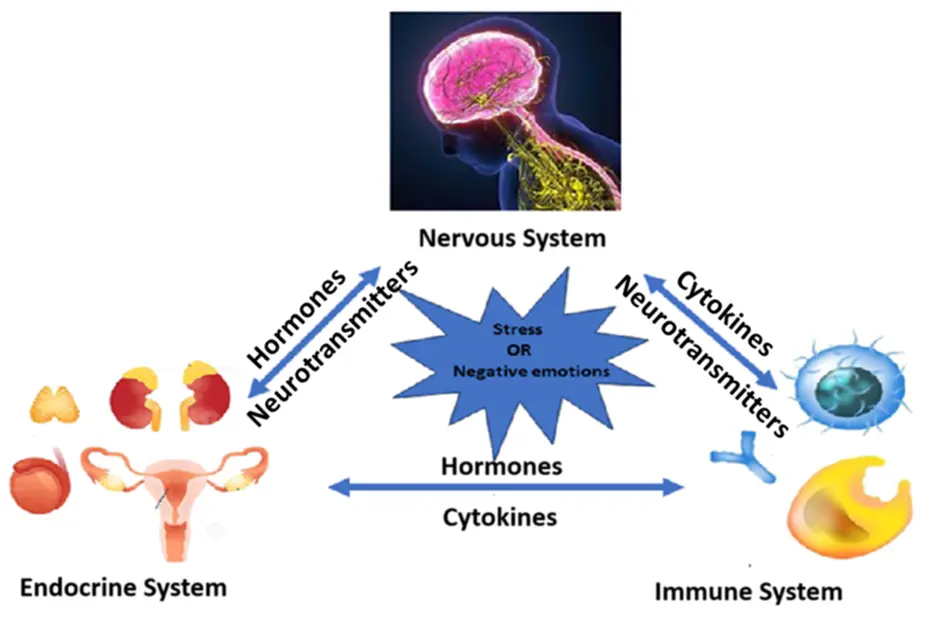
Adaptogenic botanicals such as ashwagandha, rhodiola and holy basil are traditionally associated with resilience and systemic balance.
The body’s stress response involves multiple interconnected systems, including:
- The hypothalamic–pituitary–adrenal (HPA) axis
- Nervous system signalling
- Immune pathways
- Energy metabolism
Given this complexity, some formulation philosophies explore combining complementary botanicals rather than isolating a single ingredient.
For readers interested in the scientific background of adaptogens, including clinically studied extracts, see our guide on adaptogens.
This approach reflects the concept of botanical synergy, where multiple botanicals are combined to support complex physiological systems.
(“adaptogens” links to Blog 1.)
Dose vs Design: Why Strength Is Not the Only Metric
In the UK supplement market, products are often compared based on dosage alone:
- 300mg vs 600mg
- 5% vs 10% standardisation
- High strength vs ultra strength
While potency and standardization matter, they do not fully define formulation quality.
Other critical factors include:
- Extract sourcing and validation
- Preservation of full-spectrum plant compounds
- Ingredient compatibility
- Manufacturing standards
- Overall formulation philosophy
Higher dosage does not automatically equate to greater suitability.
Absorption and Bioavailability Considerations
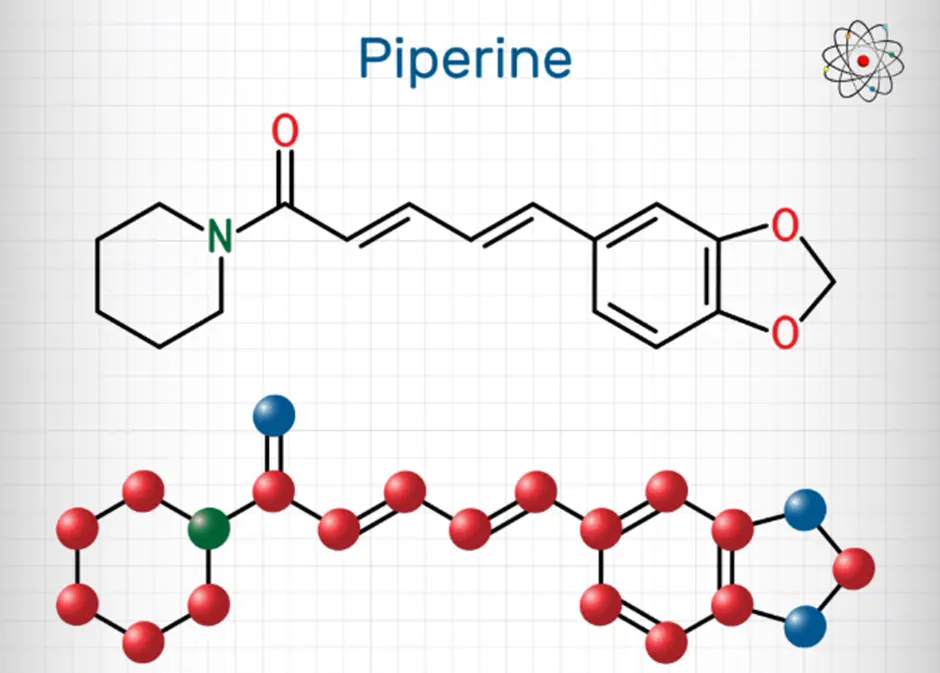
Certain botanical compounds naturally have limited bioavailability.
In multi-ingredient formulations, complementary components may be included to:
- Support absorption pathways
- Improve digestive tolerance
- Enhance compound stability
For example, black pepper extract (piperine) is often paired with certain botanicals due to its potential role in supporting absorption.
These design considerations illustrate the difference between ingredient stacking and intentional formulation.
These formulation strategies further illustrate how different botanical compounds may influence ingredient interaction and absorption pathways.
Practitioner-Led vs Commodity Supplementation

The expansion of online marketplaces has made botanical supplements widely accessible in the UK. However, accessibility does not always equate to formulation depth.
Consumers may encounter:
- Minimal transparency around extract sourcing
- Limited clinical validation
- Emphasis on milligram quantity over design rationale
Practitioner-oriented approaches typically place greater emphasis on:
- Ingredient synergy
- Research-backed extracts
- Quality control processes
- Long-term formulation philosophy
Understanding this distinction helps consumers move beyond surface-level price comparisons.
When Might a Single Ingredient Be Appropriate?
There are situations where single-ingredient supplementation may be suitable, such as:
- Addressing a confirmed nutrient deficiency
- Targeting a clearly defined short-term need
- Following professional guidance
A single-ingredient strategy is not inherently inferior — it simply serves a different purpose.
The key is alignment between the health objective and the formulation approach.
Final Thoughts
The decision between a single-ingredient supplement and a multi-botanical formulation depends on context, intention and individual considerations.
As the UK botanical supplement market continues to mature, consumers are increasingly evaluating not only what is included in a product, but why it is included.
Understanding botanical synergy and formulation philosophy encourages more thoughtful comparisons — shifting the focus from isolated strength to integrated design.